
Tips for Reducing Interest Payments on Personal Loans

Personal loans can be a lifeline for handling unexpected expenses, education, or home improvements, but the burden of high interest can quickly turn a manageable debt into a financial drain. Many borrowers focus only on monthly payments, ignoring how interest accumulates over time. Tips for reducing interest payments on personal loans help individuals take control of their finances, save money, and repay debts faster. By implementing simple strategies like extra payments, refinancing, and selecting the right loan terms, borrowers can minimize the interest paid without sacrificing their financial stability. Understanding interest structures and staying proactive in repayment decisions can transform the borrowing experience into a more cost-effective and manageable process.
Make Extra Payments to Reduce Principal

One of the most effective ways to lower interest is by making additional payments toward the loan principal. Each extra payment directly reduces the balance on which interest accrues, decreasing the overall cost of the loan. Even modest contributions can shorten the repayment period and save a substantial amount over time. Before doing so, borrowers should confirm that their lender allows extra payments without penalties. Establishing a consistent schedule for additional payments maximizes impact, helping to clear the loan faster while preventing unnecessary accumulation of interest charges. This proactive approach converts routine payments into a more efficient strategy for financial relief.
Refinance Your Loan for Lower Rates
Refinancing involves replacing the existing loan with another new one that carries a lower interest rate or better terms. This strategy significantly reduces monthly payments and total interest, particularly for borrowers who have improved credit scores or when market rates decline. Before refinancing, compare offers from multiple lenders, including banks, credit unions, and online financial institutions. Check for any fees related to early repayment of the original loan. Refinancing is an excellent option to optimize repayment conditions, turning a high-cost loan into a more manageable and financially advantageous commitment.
Opt for Shorter Loan Terms

Choosing a shorter loan-term may increase monthly payments but lessen the total interest paid over the life of the loan. Longer terms may feel affordable on a monthly basis but result in higher interest accumulation. Assess your budget carefully to determine a repayment period that is manageable without financial strain. Short-term loans encourage disciplined repayment and accelerate debt clearance. By balancing affordability and interest reduction, borrowers can save money and achieve financial goals sooner. Selecting the right term is a strategic choice that significantly impacts long-term interest obligations.
Avoid Frequent Loan Applications
Submitting multiple loan applications in a short period negatively impact your credit score and limit eligibility for low-interest options. Each application generates a hard inquiry, which may be interpreted as financial instability by lenders. Research potential lenders carefully before applying to minimize unnecessary inquiries. Limiting applications improves the likelihood of securing favorable interest rates and prevents the additional costs associated with higher-risk assessments. Strategic planning and selective applications are essential for maintaining financial credibility and keeping interest payments as low as possible.
Maintain a Strong Credit Score
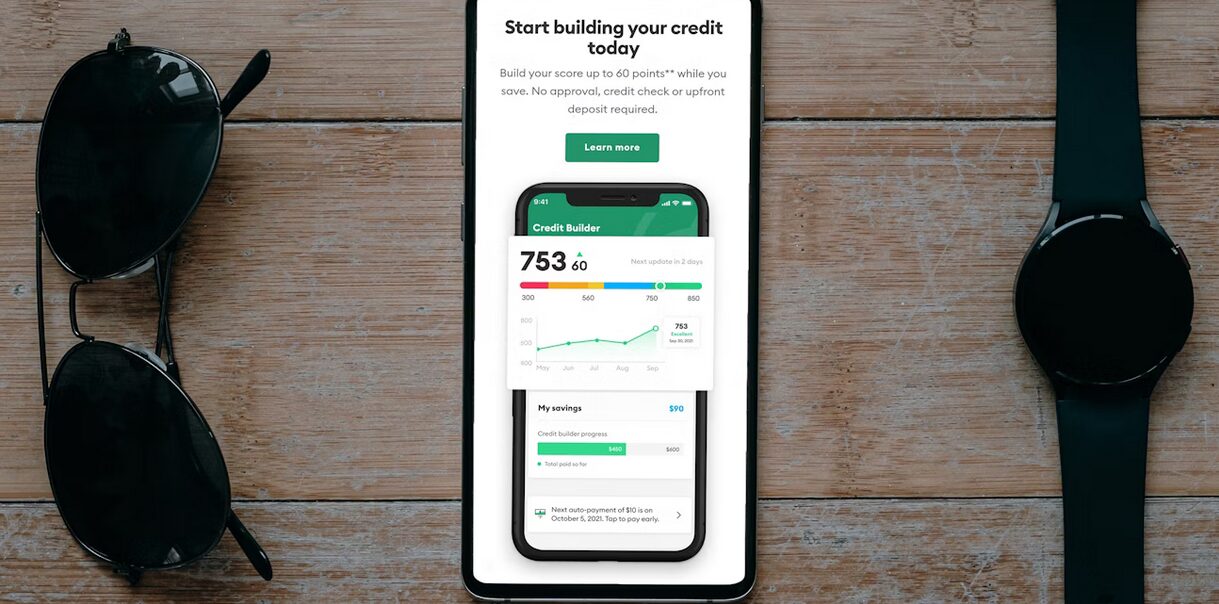
Interest rates are heavily influenced by a borrower’s credit score. Individuals with higher scores generally qualify for lower rates, reducing the total cost of borrowing. To maintain or improve a credit score, pay bills promptly, minimize outstanding debt, and avoid unnecessary credit inquiries. Monitoring credit reports regularly helps identify and correct errors that could affect loan eligibility. A solid credit profile allows borrowers to access favorable loan options, ensuring that interest rates remain competitive and manageable throughout the repayment period. This strategy indirectly lowers the overall financial burden associated with personal loans.
Reducing interest payments on personal loans requires proactive strategies and careful planning. Making extra payments, refinancing, choosing shorter loan terms, maintaining a strong credit score, and limiting loan applications are practical measures that can significantly decrease interest costs. Implementing these tips helps borrowers regain control of their finances, reduce repayment periods, and save money in the long term. By staying attentive to loan conditions and employing smart repayment strategies, individuals can turn a potentially expensive financial obligation into a manageable and efficient tool, fostering better financial health and long-term stability.
